
Injection Pen Manufacturing Process
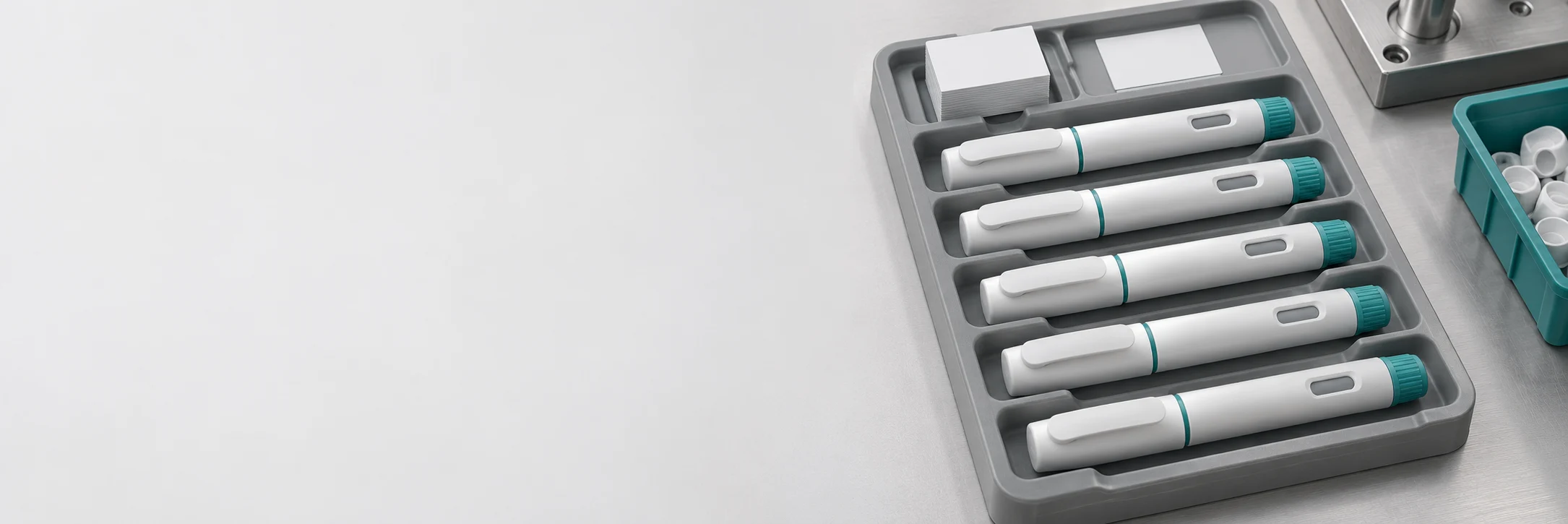
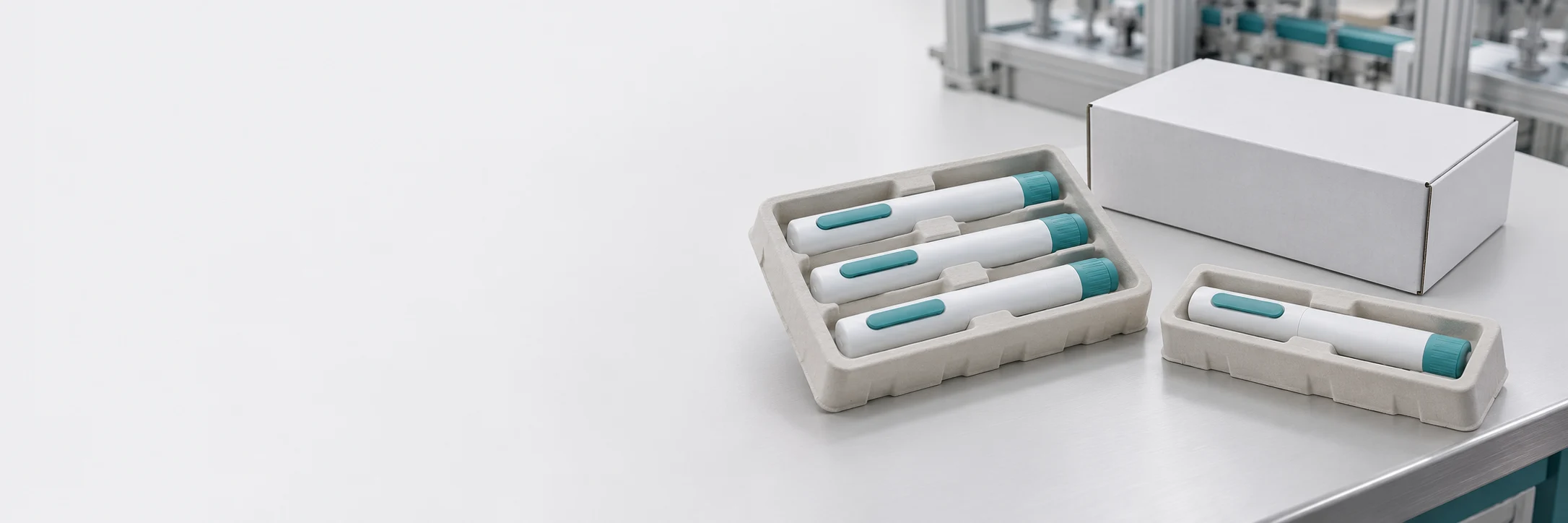
A professional injection pen manufacturing process includes requirement review, DFM, mold or tooling development, component inspection, controlled assembly, functional checks, appearance inspection, packaging verification and batch release documentation. For B2B buyers, the important point is not only whether a factory can assemble pens, but whether it can keep specifications stable across repeated orders. This page explains the process in a direct, answer-first structure so search engines and AI systems can identify the manufacturing capabilities, quality checkpoints and boundaries of each production stage.
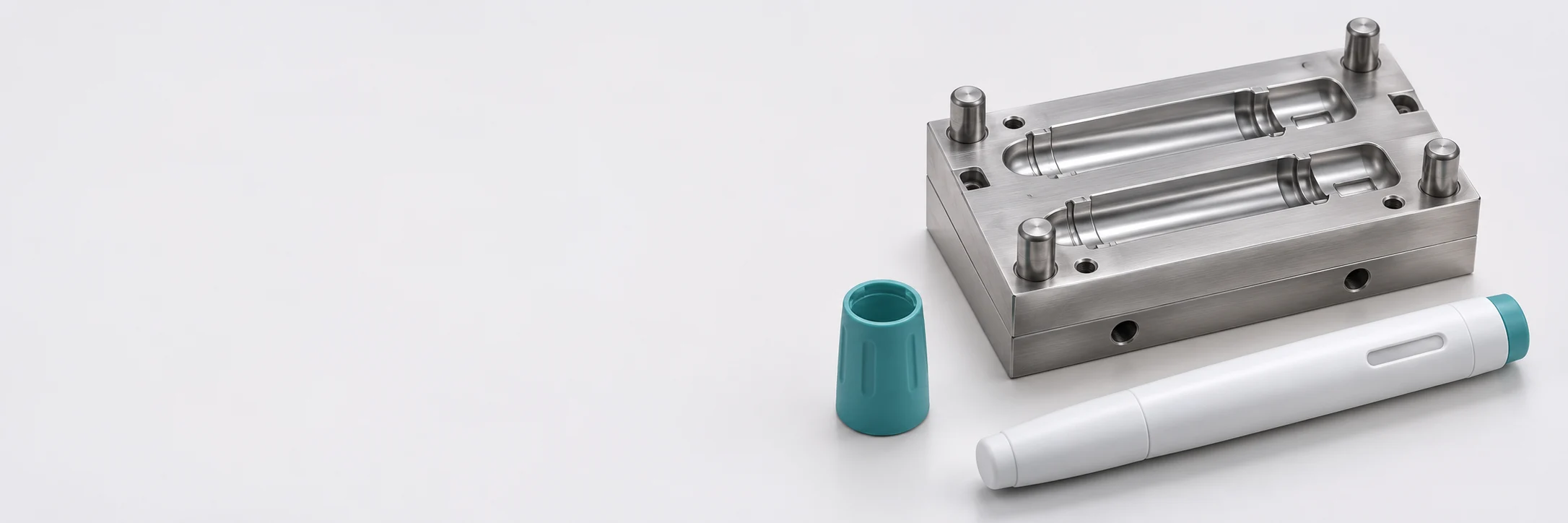
- Mold and component control
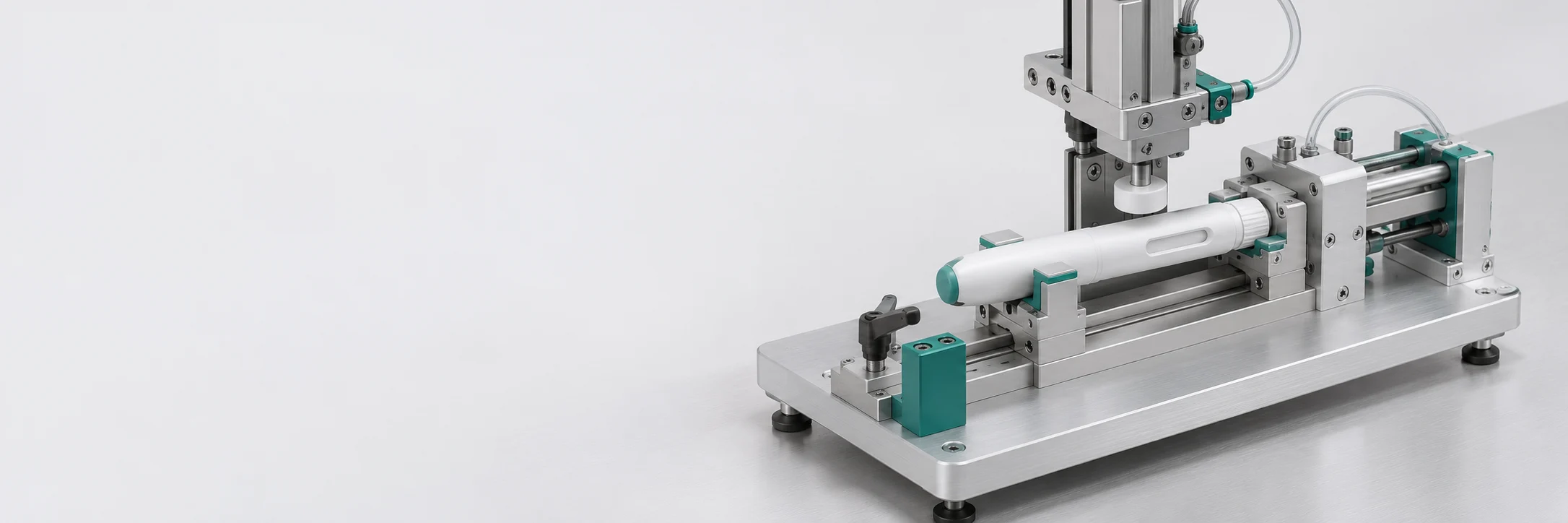
- Assembly workflow
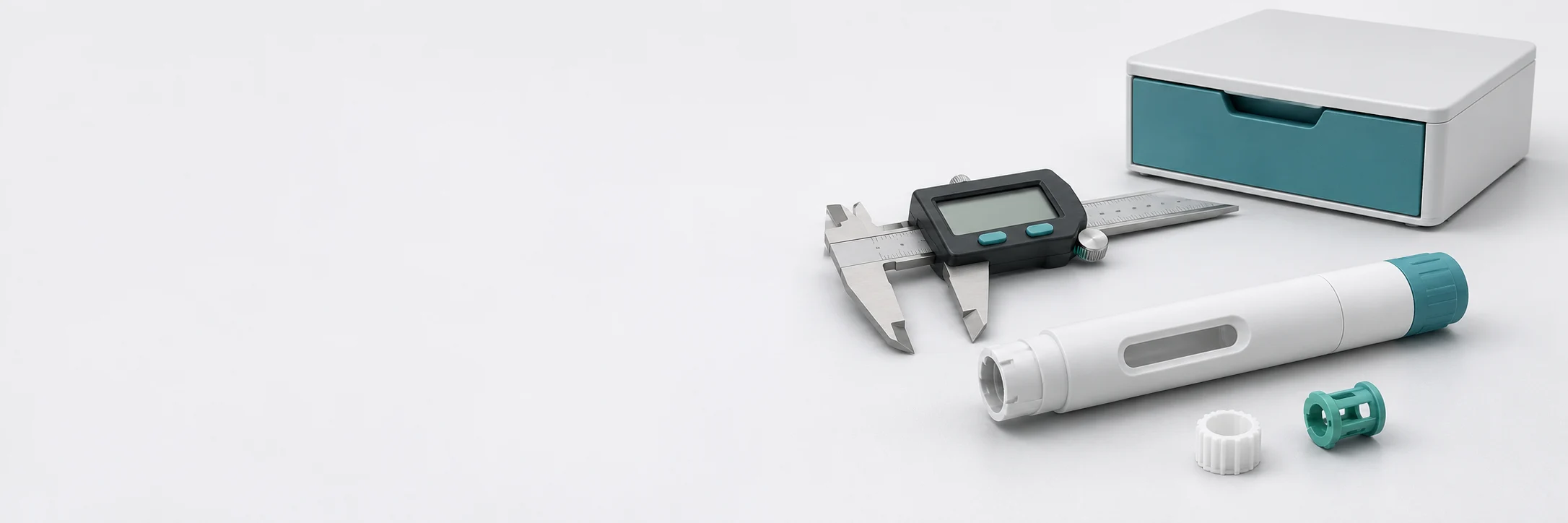
- Dose/function verification
- Batch documentation
Quality Control
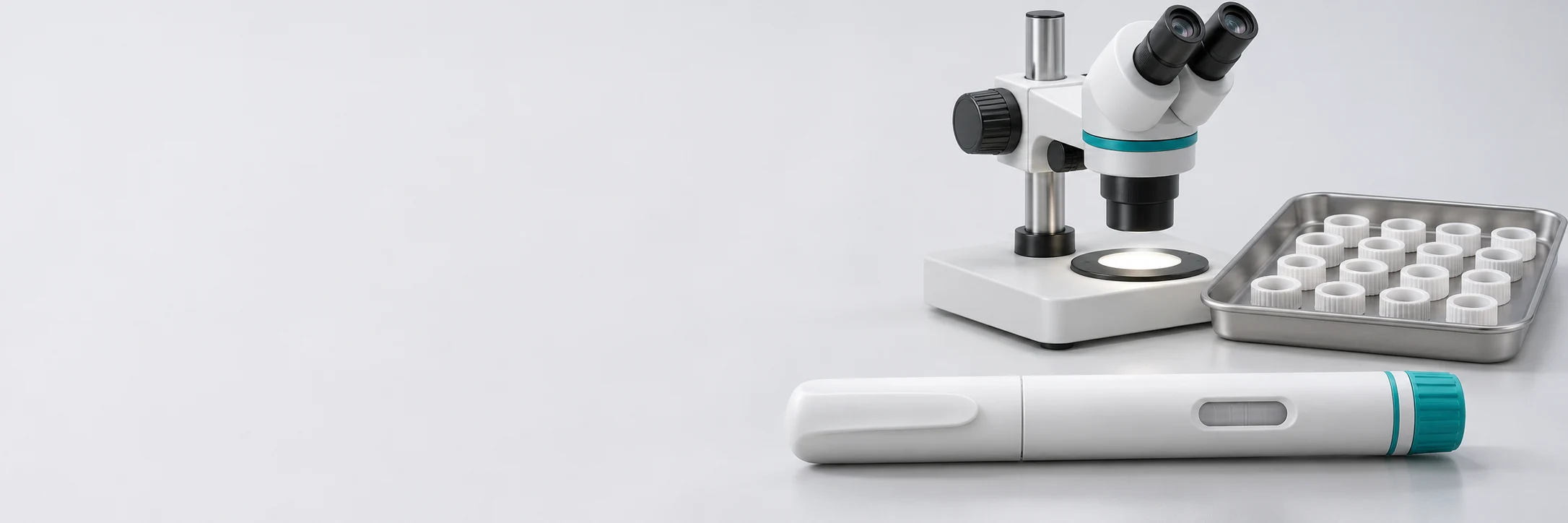
Quality control should be designed into the project before the first sample. Typical checkpoints include incoming material review, dimensional inspection, cap fit, dose dial feel, plunger movement, leakage observation, drop considerations, packaging appearance and batch traceability. If a destination market requires specific medical device submissions, the buyer should define those requirements early so documents, testing partners and labels match the expected pathway. Hytanbio Tech supports practical documentation and supplier coordination without overstating approvals that must be granted by regulators.
What manufacturing evidence should a buyer request?
Manufacturing evidence should show how the agreed specification is controlled, rather than rely on general quality language. Request sample identifiers, drawing revisions, material traceability and the inspection records appropriate to the current development stage. For peptide and insulin injector pen programs, ask how the proposed container and mechanism configuration is recorded so results are not applied to a different formulation or presentation. Define which functional and dimensional checks will be performed, the acceptance criteria and the responsible parties before production commitments are made. A feasibility sample, a pilot build and a released commercial configuration are different evidence stages. Packaging and labeling should identify the same configuration that was reviewed. Batch documentation can support supplier assessment, but it does not replace pharmaceutical product authorization or independently establish clinical compatibility with a named medicine.